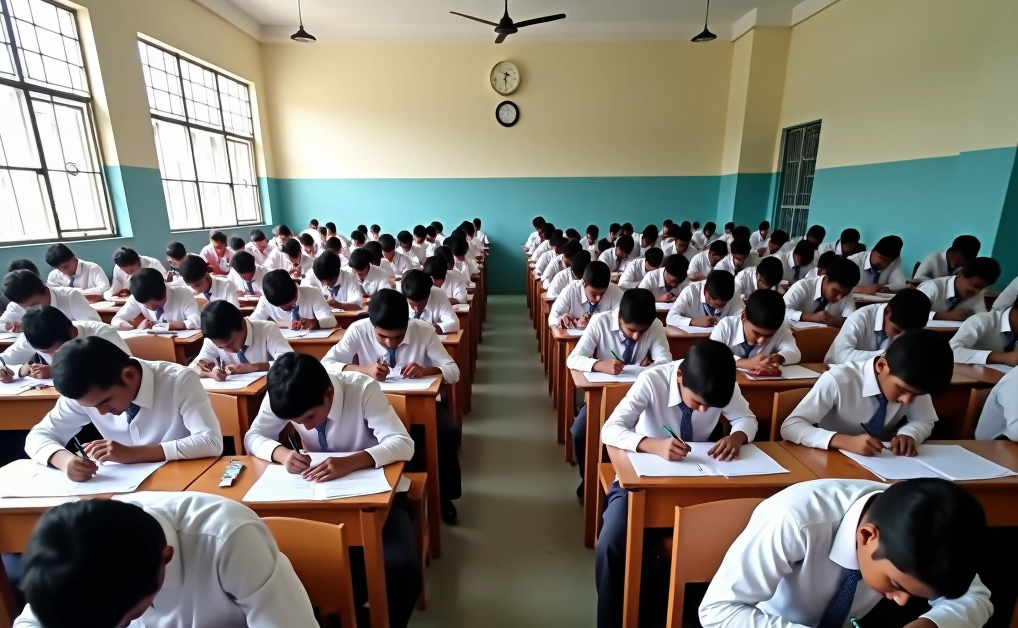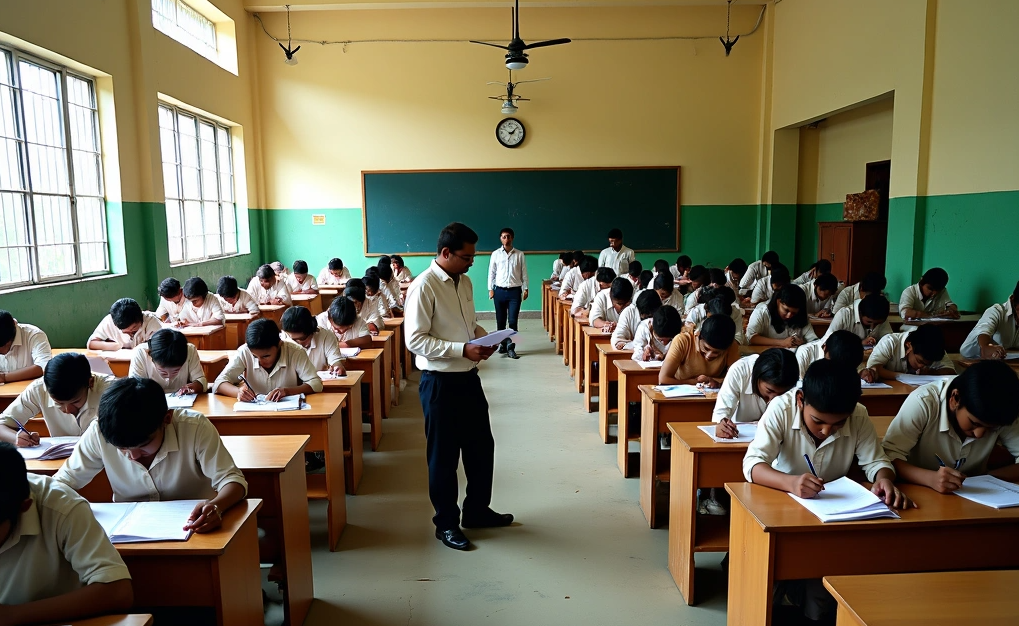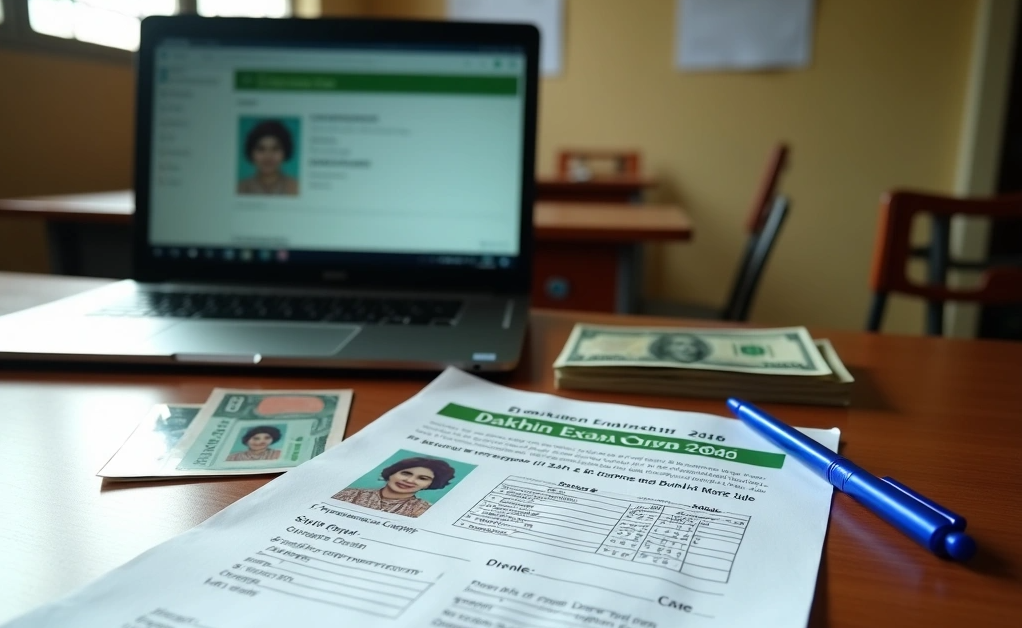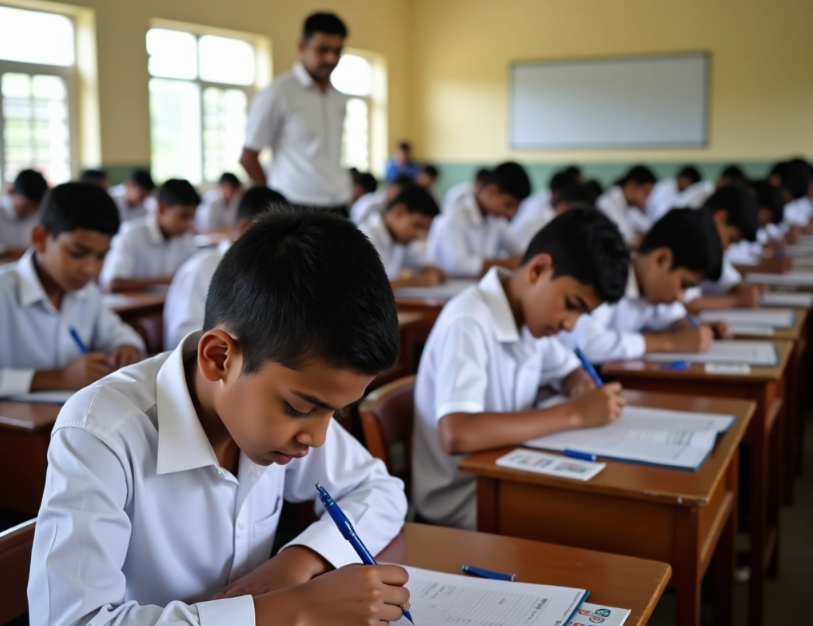
The BCS recruitment process has witnessed a historic moment as 77 candidates from the 27th examination finally received their long-awaited appointments after an arduous 19-year legal battle. We recognize this development as a significant milestone in Bangladesh’s administrative history, especially for this reason: it concludes one of the most complex and prolonged recruitment disputes the civil service has ever encountered. What is more, this marks the third phase of appointments, following 459 candidates who joined on December 18 last year and 94 who received appointments on May 19 this year. Whether you’re preparing to bcs apply, waiting for your bcs admit card, or following the 49th bcs circular, understanding the bcs meaning and bcs full meaning becomes crucial through such precedent-setting cases.
Government Appoints 77 More 27th BCS Candidates After Court Verdict
On Sunday, the Ministry of Public Administration issued an official notification appointing these candidates to various BCS cadres. The appointments were made based on recommendations from the Bangladesh Public Service Commission, following the pay scale of 2015 with salaries ranging from 22,000 to 53,000 taka.
The cadre distribution reveals diverse placements across multiple government departments:
- 4 positions in administration cadre
- 20 in telecommunication engineering
- 14 in agriculture
- 4 in cooperative cadre
- 2 in police
- 1 each in food, family planning, railway engineering, public works, and fisheries
- Multiple candidates offered lecturer posts in general education cadre
Accordingly, all newly appointed candidates must contact their respective cadre-controlling ministries by July 14[3]. Failure to join by this deadline will result in appointment cancelation.
The notification outlines specific training requirements. Appointed cadres must begin foundation training at the Bangladesh Public Administration Training Center or any government-approved institute. Following this initial training, they will undergo professional and specialized training at their respective job-related institutions.
These officers will serve a two-year probationary period. During this time, their training performance and divisional exam results will determine permanent appointment status. The appointments carry retrospective effect from the date their batchmates first joined service, preserving their seniority within the 27th BCS batch.
What Joining Process Must These Candidates Follow?
Candidates must report to their designated cadre-controlling ministries or departments by July 14. In the absence of further instructions from these authorities, joining on this date becomes mandatory. Missing this deadline will be interpreted as unwillingness to accept the position, resulting in automatic cancelation of the appointment order.
The notification specifies several administrative obligations beyond basic reporting. Appointees must sign a bond on a Tk300 non-judicial stamp, committing to repay training expenses if they resign during probation or within three years after completing it. In addition, under the Government Servants (Conduct) Rules, 1979, candidates must submit declarations of their movable and immovable assets at the time of joining service.
Seniority arrangements follow a retrospective structure. The appointments take effect from the date when the first appointment notification for their batch was issued. Their notional seniority will be counted from the joining date of the first appointees of the batch. However, this backdating serves only administrative purposes. The appointees will not receive any arrears or other retrospective financial benefits resulting from these backdated appointments.
Entry-level positions follow the National Pay Scale-2015, with monthly salaries ranging from Tk22,000 to Tk53,060. Foundation training at the Bangladesh Public Administration Training Center or other government-designated institutions remains mandatory before assuming full duties.
How Did a Two-Decade Legal Battle Finally End?
In view of allegations involving irregularities and corruption, the military-backed caretaker government canceled the first viva voce results on July 1, 2007. This action came after 3,567 candidates had passed the first oral examination conducted on January 21, 2007. The advisory council decided on May 30, 2007 to nullify these results due to charges of question leaks and widespread anomalies.
Following the cancelation, a second viva voce took place on July 29, 2007, where 3,229 candidates succeeded. The affected candidates challenged this decision in the High Court. On July 3, 2008, an HC bench declared the cancelation of the first viva results valid. Meanwhile, another HC bench on November 11, 2009 declared the second viva illegal.
The government filed three leave-to-appeal petitions against the second verdict. On July 11, 2010, the Appellate Division upheld the HC ruling that validated the first viva cancelation. Subsequently, 140 candidates filed review petitions on behalf of 1,137 deprived individuals. The Appellate Division granted leave to appeal on November 7, 2024. After concluding hearings on February 19, 2025, the apex court delivered its final verdict on February 20, ordering the government to appoint all 1,137 candidates within 90 days.
The appointment of these 77 candidates marks a significant closure to one of Bangladesh’s most protracted civil service disputes. As a matter of fact, this final phase brings justice to individuals who waited nearly two decades for their rightful positions. The resolution demonstrates how persistent legal efforts can eventually restore career opportunities, even after extensive delays. We observe this case as a crucial precedent that reinforces the importance of fair recruitment practices within the administrative framework.