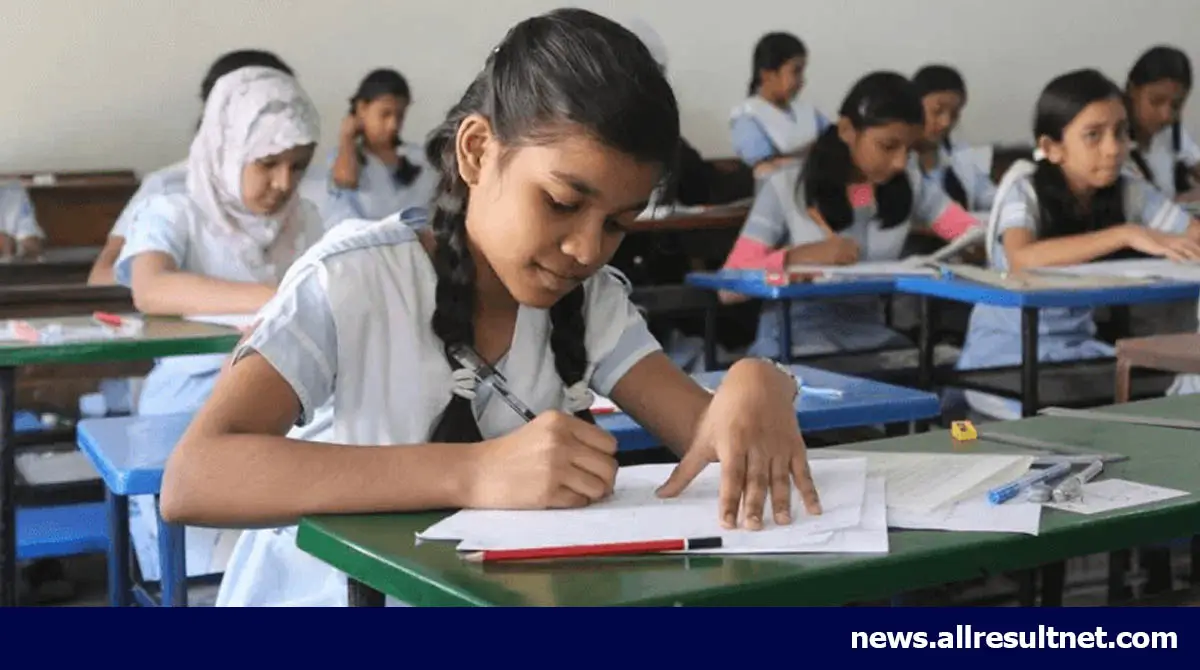
The Ministry of Primary and Mass Education has issued a new policy for the primary scholarship examination. The exam will now be held for a total of 400 marks. The new rules will take effect from 2026.
The Directorate of Primary Education published the Primary Scholarship Examination Policy 2026 on its website on Tuesday. All scholarship activities from 2026 will follow this policy. However, the 2025 scholarship exam will also follow the new structure under special arrangements.
Eligibility rules for students and schools
Under the policy, up to 40 per cent of Class-V students can sit for the exam. Selection will depend on results from the Class-IV comprehensive assessment. All government primary schools must take part in the examination process.
Private schools can also participate if they follow the National Curriculum and Textbook Board (NCTB) curriculum. They must also remain active in the Directorate’s IPEMIS online system. These conditions are now mandatory for eligibility.
Subjects, marks and exam duration
The examination will cover four subjects with equal marks. Students will sit exams in Bangla, English, Primary Mathematics, and an integrated paper covering Bangladesh and World Introduction and Primary Science. Each subject will carry 100 marks.
Read More: Primary Scholarship Exam 2026: Mark, Syllabus, Routine
Students will get two hours and 30 minutes for each subject. Candidates with special needs will receive an extra 30 minutes. To qualify for a scholarship, students must score at least 40 per cent in each subject.
Scholarship types and quota distribution
The policy also defines two scholarship categories. These are Talent Pool and General scholarships. Authorities will select equal numbers of boys and girls in both groups.
As per the rule, 80% of scholarships will go to students from government primary schools. The remaining 20 per cent will go to private school students. Talent Pool scholarships will be awarded based on merit lists at the upazila or thana level.
General scholarships will be decided at the union or ward level for government schools. Each union or ward will receive five general scholarships. These will go to two boys, two girls, and one student under a merit quota.
The government has also formed committees to manage the examination. A national steering committee will supervise the process. The minister and state minister will act as advisers. The ministry secretary will serve as president.
District committees will work under Deputy Commissioners. Upazila committees will work under Upazila Nirbahi Officers. The policy also warns of strict departmental action for any negligence or irregularities.
Authorities say the new policy aims to ensure fair selection and better management. Further instructions on exam schedules are expected before the 2026 examination cycle begins.