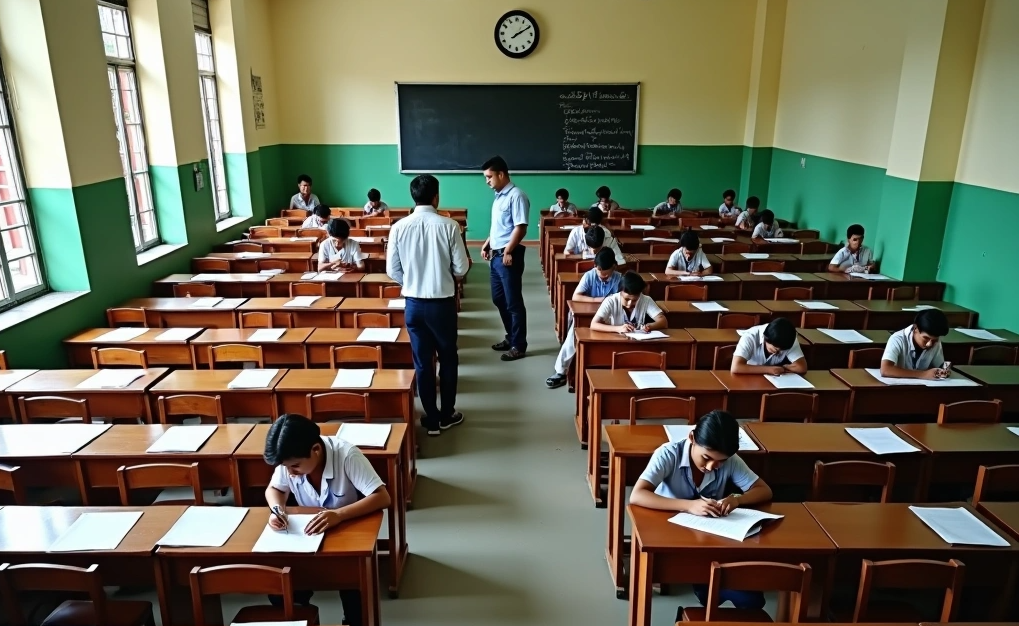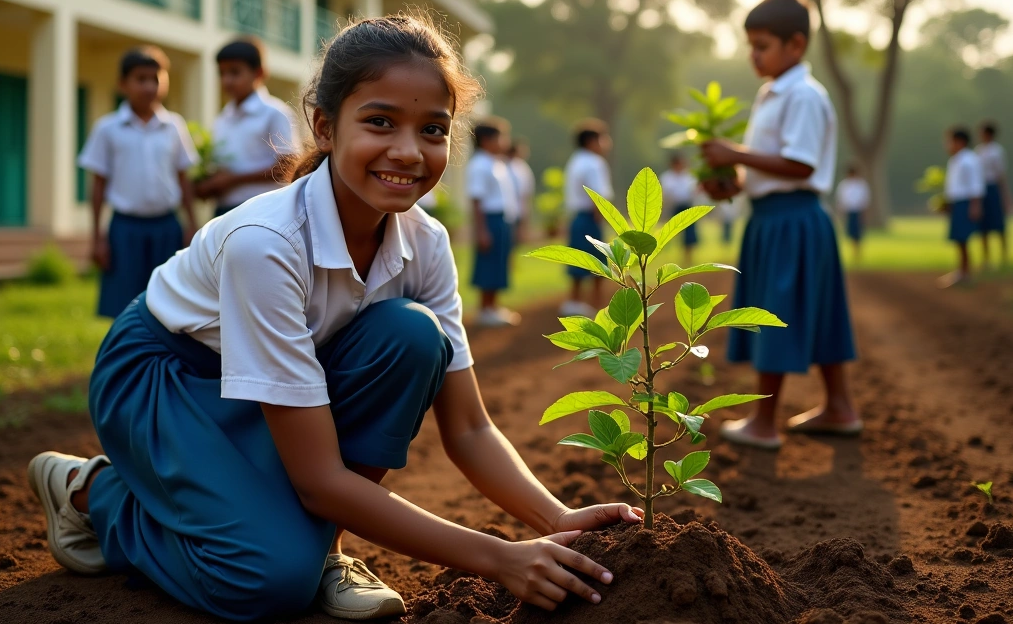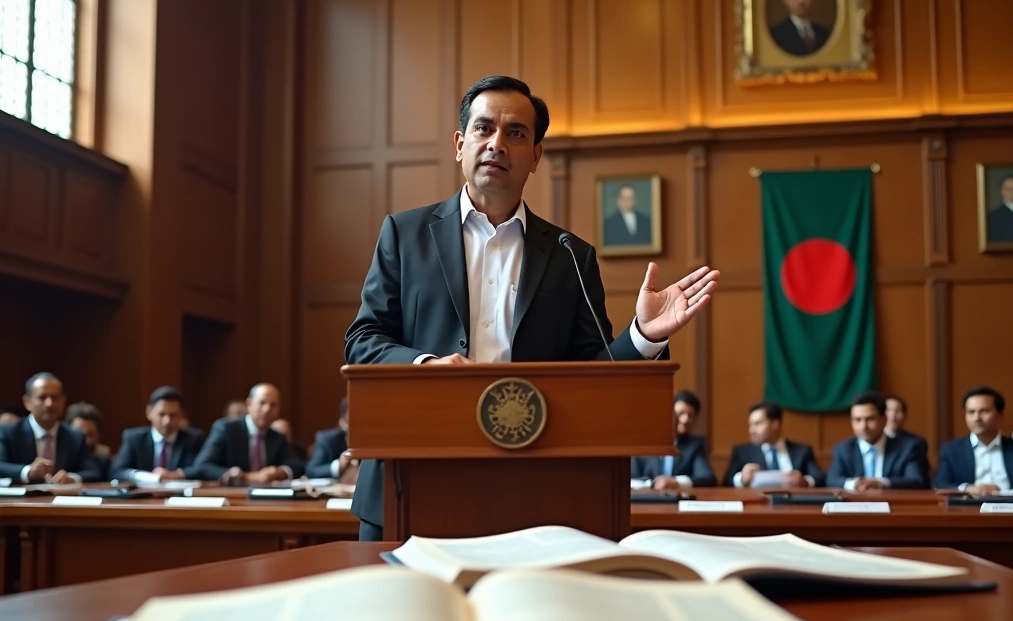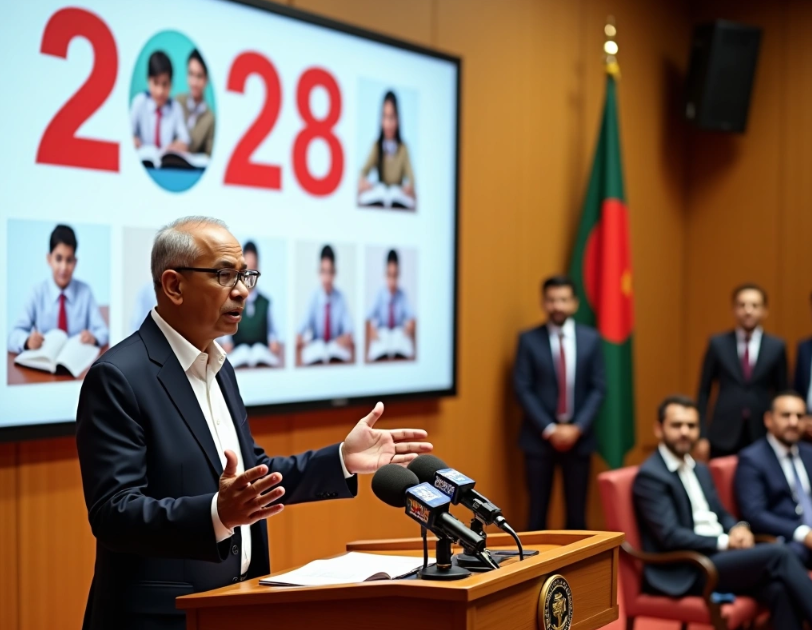
The new curriculum designed to modernize Bangladesh’s education system will officially launch in 2028. Education Minister Dr. A N M Ehsanul Haque Milon confirmed this timeline, marking a significant shift from traditional academic approaches to a more holistic model. This reform prioritizes not only textbook knowledge but equally emphasizes culture and sports to develop well-rounded students. We explore what this transformative policy means for the future of education, including how new curriculum resources will support teachers, what changes grade 10 books new curriculum and grade 11 new curriculum will bring, as well as how new curriculum sample questions and answers will differ from current assessment methods. The new curriculum for senior high school, in fact, represents the government’s commitment to building skilled, modern citizens from primary education onward.
Minister Confirms 2028 Launch Date for New National Curriculum
Minister ANM Ehsanul Hoque Milon officially announced the launch date during a press conference at the Secretariat, stating that the new curriculum will roll out across primary and secondary schools starting in 2028. Given that time constraints made a 2027 implementation unfeasible, the government set September 2028 as the target date for first teaching. A committee has been formed to prepare the curriculum materials and frameworks.
The timeline provides schools with substantial preparation time. The Department for Education aims to publish the final revised national curriculum by spring 2027, giving schools four terms to prepare for the changes. Education Secretary Bridget Phillipson emphasized the necessity of this update, noting that it has been over a decade since the national curriculum was last revised.
The curriculum revision stems from a comprehensive review conducted by Professor Becky Francis, which received broadly positive reception from across the education sector. The review found that while much of the current curriculum works well, improvements were needed, particularly for children from disadvantaged backgrounds or those with special educational needs and disabilities. Important to realize, the government has pledged to implement the review’s recommendations, modernizing what children learn to ensure they possess the right skills and knowledge to thrive in a changing world.
What Changes Will the New Curriculum Bring
Four new subjects will enter classrooms starting 2027 as a prelude to the comprehensive 2028 overhaul. Sports and Culture become compulsory from Class IV, while Technical and Vocational Education alongside Learning with Happiness will be mandatory from Class VI. The Learning with Happiness course focuses specifically on values, principles and character-building to develop responsible citizens.
Value-based education forms the structural foundation of the reformed system. State Minister for Primary and Mass Education Bobby Hajjaj confirmed the curriculum will incorporate family values, moral education, civic responsibility, and religious and cultural consciousness as core components. Foundational literacy and numeracy receive central priority, with the curriculum designed so students in class two or three can read a book, understand it, and express it in their own words.
Digital transformation accompanies these changes. Every government primary school will receive an interactive flat panel within one year, with every classroom equipped within three years. Video lessons, digital content and interactive learning materials will support both students and teachers. Pre-primary education will be conducted entirely through play-based and joyful learning methods.
Third language learning gains substantial emphasis through an expanded component within the existing framework. Clear learning outcomes will be established for each grade, with specific exit profiles defining skills students should achieve by the end of class five.
Supporting Reforms to Strengthen Education Quality
Teacher professional development receives substantial investment alongside the new curriculum resources being developed for 2028 implementation. Mauritius addressed its primary teacher shortage by creating additional teaching posts and recruiting 600 trainee primary school educators, increasing the primary teaching workforce by 16.4%. France implemented salary raises and additional compensation through a teachers’ pact to improve working conditions and address recruitment challenges. Kyrgyzstan automated its teacher certification process and created an electronic platform, while providing advanced training to large numbers of teaching staff in 2022 and 2023.
Education financing reforms support quality improvements across systems. The Dominican Republic set a minimum investment of USBDT 299996.47 per child per year and implemented a Comprehensive Strategic Intelligence System to improve transparency and monitoring of educational spending. Indonesia’s Ministry of Education focused on equitable resource distribution, particularly targeting disadvantaged groups including low-income households, rural residents, and children with disabilities, while incorporating gender responsiveness into public expenditure monitoring.
Assessment methods are shifting toward digital frameworks in high-performing countries, consequently enabling better optimization of assessment protocols and improved coherence between external and internal school evaluations. Implementation success depends on stakeholder engagement, with curriculum reform literature emphasizing that early involvement of stakeholders builds support for the new curriculum.