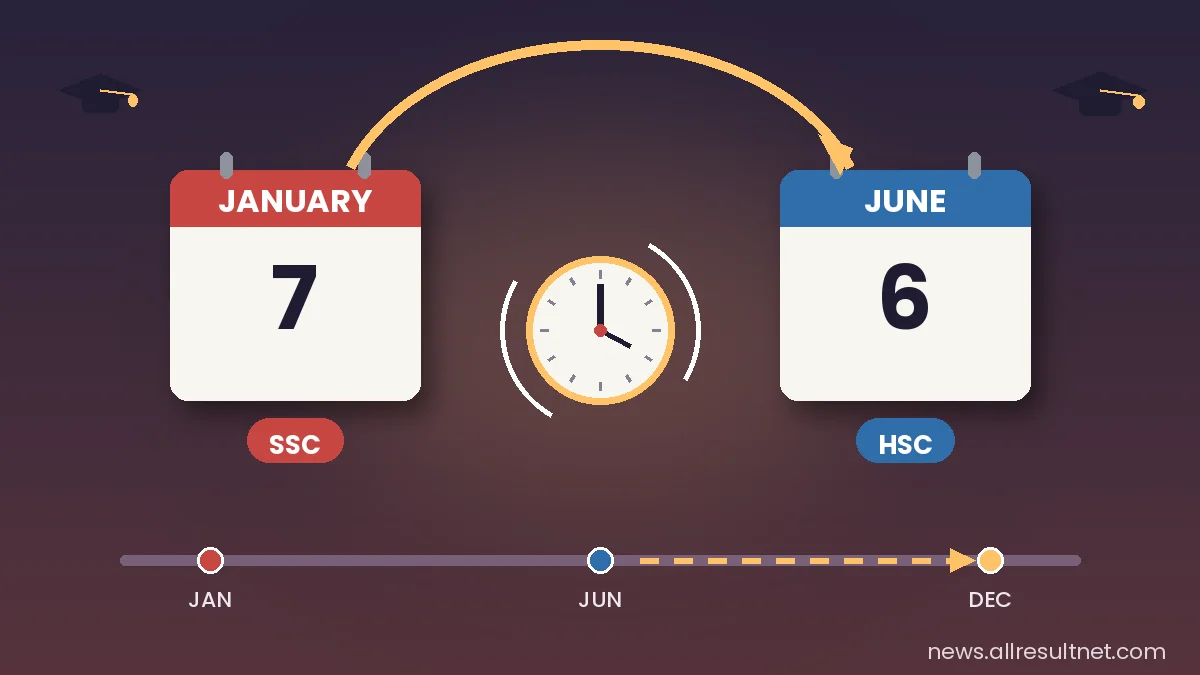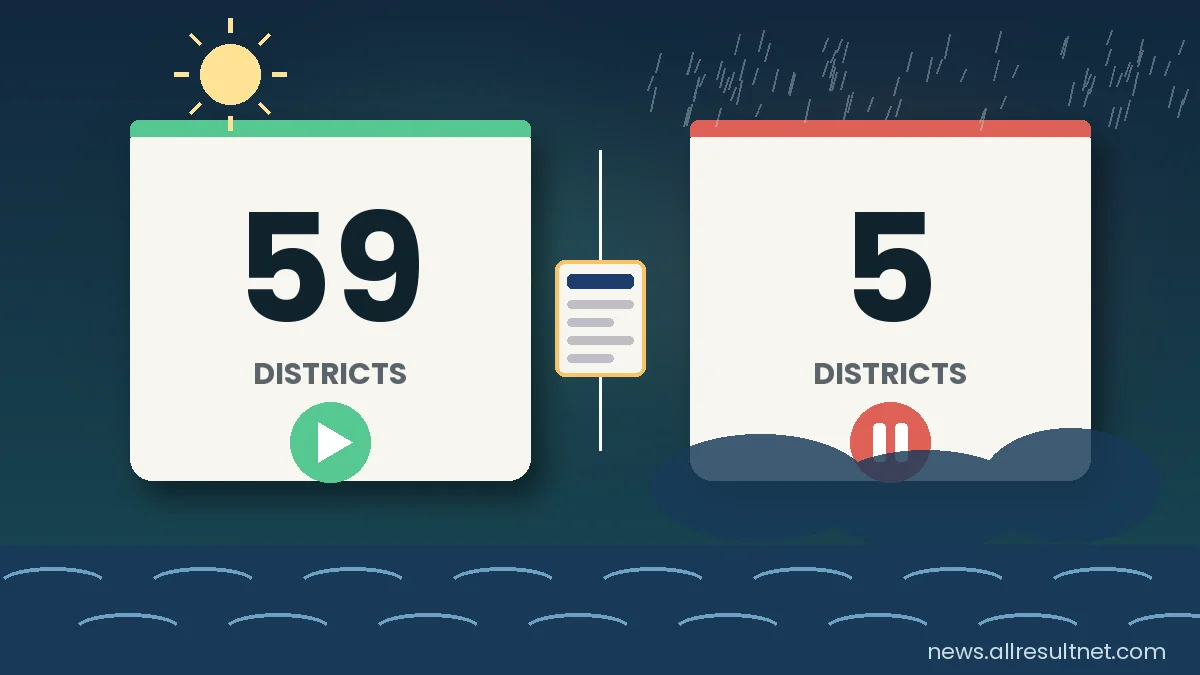
Amid floods, protests, and a political storm, the 2026 HSC and equivalent exams are proceeding in 59 districts across the country. School boards, facing the toughest questions of the season, have finally explained their reasons and offered two significant concessions to outraged students.
According to the latest press release from the Inter-Agency Coordination Committee of School Boards, signed by its chairman, Professor Syed Akhtaruzzaman, the exams for the boards of Dhaka, Rajshahi, Cumilla, Jashore, Sylhet, Barishal, Dinajpur, and Mymensingh, along with the technical and madrasa education boards, will proceed according to the announced schedule until further notice. The exception is the Chattogram School Board: in its five districts, the exams scheduled for July 13, 15, and 16, covering HSC, Alim, HSC (BMT), HSC (Vocational), and the Diploma in Commerce, remain suspended.
The Boards’ Explanation: “Every Candidate Is Equally Important”
For days, one question has echoed from exam halls to Parliament: why continue? The coordination committee has issued a formal explanation.
The committee stated that it had taken note of and fully understood the concerns expressed by students, parents, and supporters. It explained the scale of the operation: this year’s HSC exams involve 1,270,583 candidates at 2,697 centers nationwide and are being conducted for the first time under a common exam system for all examining boards. It also emphasized that every candidate is equally important to the boards.
According to the committee, the difference lies in ensuring safe access. Flooding caused by torrential rains has severely affected the Chattogram Board’s exam centers, preventing candidates from traveling safely; hence the selective suspension in those five districts. In other areas, boards maintain that the exams could proceed, and the decision to continue was made jointly with local administrators, deputy commissioners, and the Meteorological Service.
This explanation has not satisfied everyone. The reality on the ground this week included test-takers wading through waist-deep water and arriving at centers by boat and van, while flooded centers in Cumilla, including the Cumilla Government Women’s College, images of which went viral, forced candidates to be moved to another building mid-exam.
The Pressure That Forced Answers
The boards’ statement did not come out of nowhere. It followed the most intense 48 hours the education administration has faced in years: student protests across the country, road blockades from Savar to the minister’s home district of Chandpur, demonstrations outside Parliament, and an emergency meeting at the Prime Minister’s Office on Tuesday afternoon—chaired by the Prime Minister himself—to review the protests, the demands for postponement, and the controversy surrounding the Physics question.
Fueling the fire was an alleged audio clip in which the Education Minister was heard describing students as “farm chickens” who fall ill after “a little rain.” The remark became the movement’s rallying cry — “We are not farm chickens, we are the future of the country” — and the minister later expressed regret over the comments in Parliament.
Concession One: Re-Exams for Those Who Couldn’t Sit
Speaking in Parliament, the Education Minister announced what may prove the most consequential decision of the week: candidates who were unable to sit their examinations because of flooding or administrative problems will be allowed to take re-examinations.
For the students who were left helpless by the flooded roads on July 13, and for the Cumilla examinees whose center was submerged, this is the safety net they’ve been demanding. The boards are expected to announce the detailed procedures and dates for these make-up exams; we will publish them as soon as they are available.
Concession Two: Full Marks for the Flawed Physics Questions
The second concession addresses the other pressing complaint. The Intereducation Board’s Examinations Control Committee has publicly confirmed that the complaints concerning questions 6 and 7 of the creative section of the first Physics exam are being reviewed with the utmost seriousness, and that, should any errors or inconsistencies be confirmed, candidates’ interests will be fully protected in accordance with current assessment policy, with measures in place to ensure that no examinee is disadvantaged. The minister has gone further, taking responsibility for the errors and promising maximum marks for the questions in question.
What Examinees Should Do Now
Cutting through the noise, here is the practical picture for candidates:
- In the 59 districts: exams are continuing exactly on schedule — prepare for your next paper as normal, and leave early for waterlogged roads
- Under the Chattogram Board: the July 13, 15 and 16 papers are off; revised dates will be announced, and history suggests they’ll be placed after the main routine ends
- If you missed an exam due to the floods: the re-examination promise covers you — keep documentation of your situation if possible, and watch for the boards’ official procedure
- If the Physics paper hurt you: the review and full-marks commitment mean your script will be protected in evaluation — no separate application needed
With the protest movement still active and a march to the ministry announced, this story is far from over. Whatever the boards or the government decide next, we will bring you the verified update first. Stay safe, and stay with us.