The controversy surrounding the primary school scholarship results has taken a new turn, this time in the streets of Rajshahi. Teachers, students, and tutors formed a human chain in the city on Thursday, July 16, denouncing serious irregularities in the recently published scholarship results and demanding a review of the exams and the publication of corrected results.
The program was held at 10:00 AM in front of the Divisional Primary Education Office. Before the human chain began, the demonstrators submitted a memorandum addressed to the Director General of the Directorate of Primary Education (DPE), handing it over to Rajshahi’s District Primary Education Officer, A K M Anwar Hossain.
The Claim at the Center: 238 Students With No Results
Of all the grievances aired at the demonstration, one stands out — and it’s the reason this protest is drawing attention far beyond Rajshahi. According to the demonstrators, 238 examinees of a single exam center in Rajshahi city received no results at all when the scholarship results were published.
In the written statement read during the human chain, tutor Dr. Azibor Rahman argued that the unpublished results of 238 students from one center are not only abnormal, but also point to a serious technical or administrative flaw in the results-making process. He stated that the recently published results have generated great concern and dissatisfaction among faculty, students, and tutors, and that various inconsistencies have deprived many deserving students of the scholarships they had earned.
The demand, accordingly, goes beyond those 238 students: the protesters want the inconsistencies across the result investigated, answer scripts re-evaluated, and a corrected result published.
“I Did Very Well in the Exam”
Among the speakers, one voice perfectly encapsulated the human significance of this matter. Mehejabin Borno, a student at Rajshahi Upashahar Government Model Primary School, told those present that she had scored highly on the exam and hoped to win a scholarship if her answers were reviewed. “That’s why I strongly urge a review of the exams,” the young test-taker declared.
For ten- and eleven-year-olds who spent months preparing, a result that was never published—or that doesn’t reflect their actual exam—is more than just a bureaucratic error. It’s their first major achievement, seemingly lost within the system.
A Result That Can’t Escape Controversy
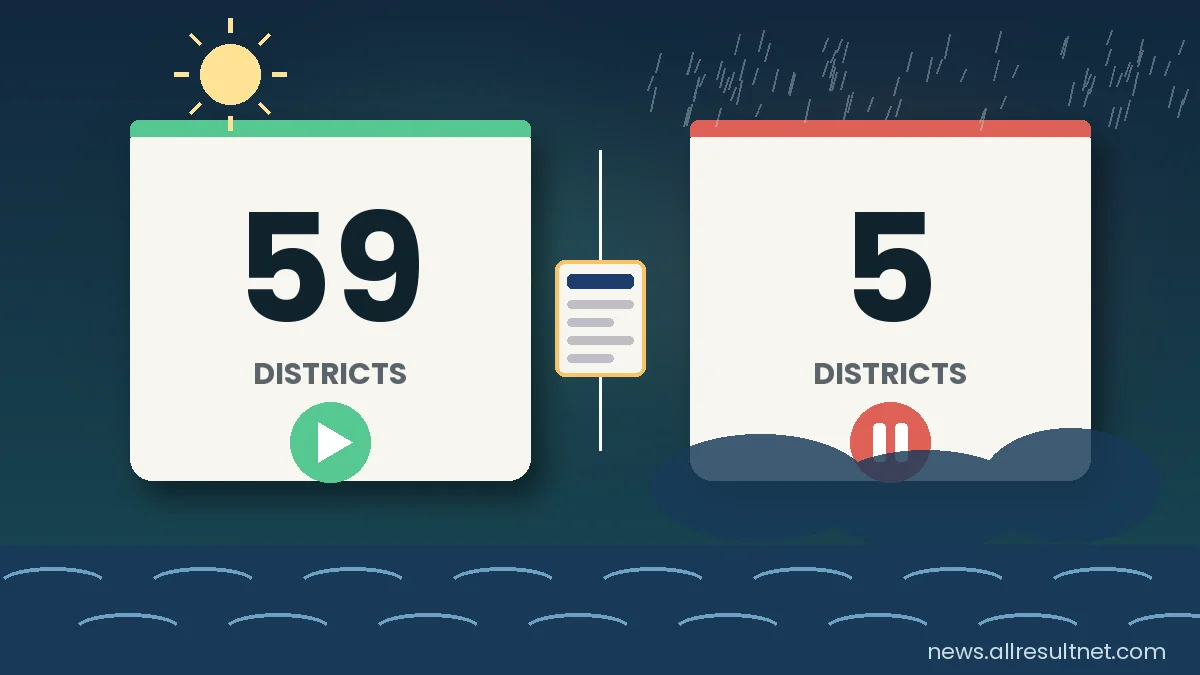
Regular readers of our coverage will recognize the pattern. This year’s primary school scholarship results have been plagued with problems at almost every stage: publication was postponed at the last minute due to technical difficulties, results from nine districts were leaked to the server before official release (leading to the suspension of an official and the creation of an inquiry committee), and when the results were finally published on July 12, 3,254 of the 82,500 planned scholarships went unawarded, with 79,246 students identified. Now, there are reports that the results for an entire school have disappeared.
Each incident, individually, might have an explanation. Taken together, they raise the question Rajshahi’s protesters are asking: were these results processed with the care that the future of 640,000 children deserves?
What Affected Families Can Do Right Now
The Department of Primary Education (DPE) has not yet publicly responded to Rajshahi’s memorandum, and we will publish their response as soon as we receive it. In the meantime, families who believe their child’s result is incorrect have an official avenue available, and the deadline is fast approaching.
According to the special directive for this year’s exam, review requests (grade challenges) must be submitted within 7 days of the results being published, meaning the deadline is around July 19. The fee is 300 taka per subject (non-refundable), payable by bank transfer to the relevant Divisional Deputy Director of Primary Education or via the online platform, submitting the request through the appropriate channel. We have published a comprehensive step-by-step guide on the grade challenge process, which all affected parents should read today.
Whether the DPE orders a broader re-evaluation in response to Rajshahi’s demands, or explains what happened to those 238 results, could determine whether this controversy ends here or spreads to other districts. We will be following this closely. Stay tuned.