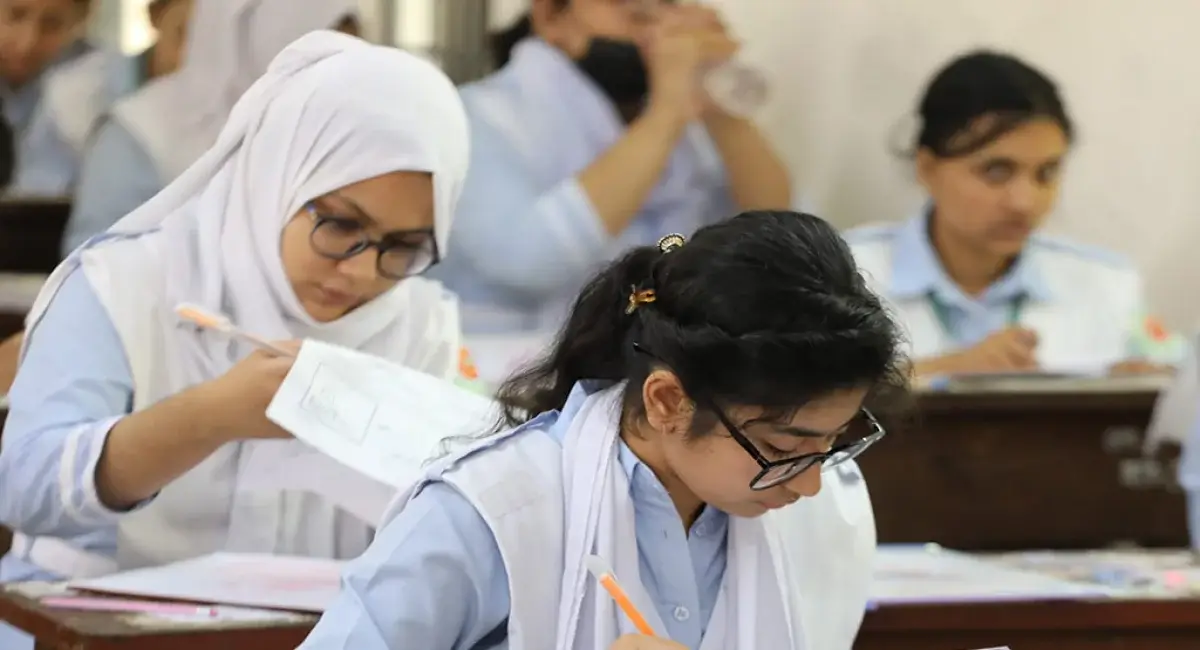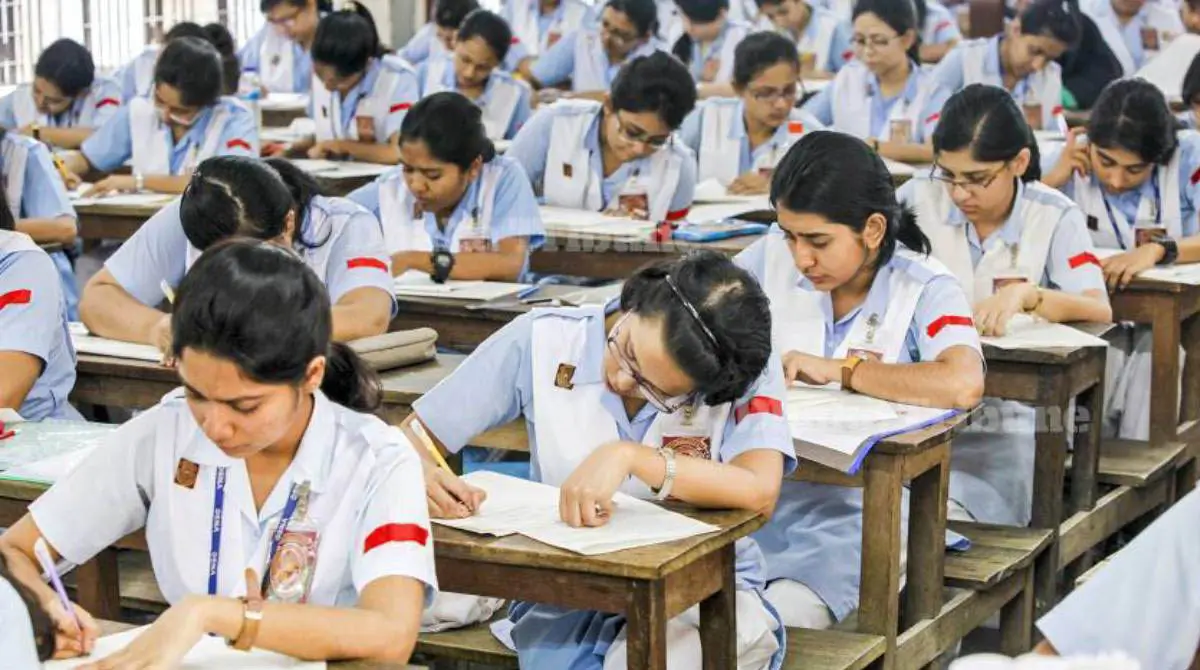
The government is considering major changes to the Secondary School Certificate (SSC) and Higher Secondary Certificate (HSC) examination systems to reduce exam duration and ease pressure on students.
The National Curriculum and Textbook Board (NCTB) has prepared an action plan and concept paper proposing a reduction in the number of examination subjects and working days required to conduct public exams. The proposal has been sent to the Ministry of Education for approval.
NCTB Chairman Md. Mahbubul Haque Patwari said a specific action plan has already been submitted to the ministry for review and further instructions.
He said the next step will be a workshop involving education experts, curriculum specialists, assessment professionals, parents, students, representatives from education boards, and other stakeholders. Future decisions will be taken after reviewing their opinions and recommendations.
According to the NCTB concept paper, the SSC examination currently requires about 25 to 30 working days, while the HSC examination takes around 30 to 35 working days or more.
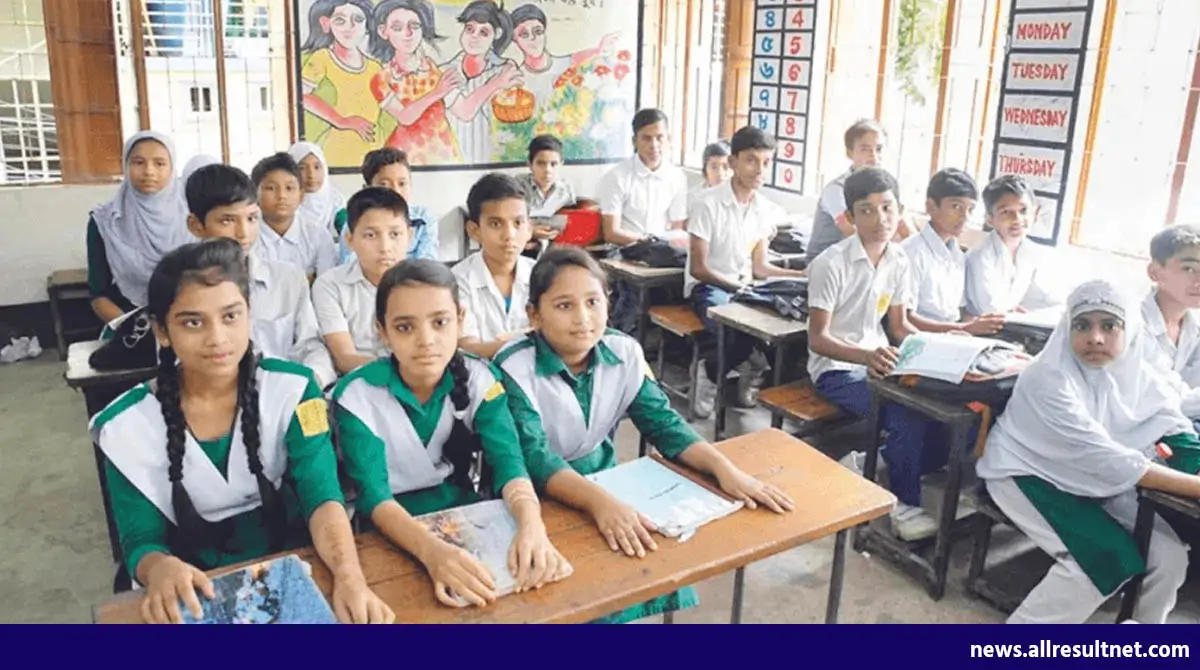
NCTB said these lengthy examination periods affect regular academic activities because thousands of educational institutions are used as examination centres. As a result, classes remain suspended for long periods, reducing learning opportunities for students in other grades.
Also Read: Schools and Colleges to Reopen Sunday After 16-Day Holiday
The board also noted that extended examination schedules create significant mental pressure for students. Teachers are often required to stop regular teaching activities to conduct examinations, while answer script evaluation, result publication, and university admission processes can also face delays.
To address these issues, NCTB plans to hold a two-day workshop involving around 90 stakeholders from different sectors of education.
The workshop will review the current subject structure of SSC and HSC examinations and explore ways to reduce examination scope. Participants will also examine whether SSC examinations can be completed by December each year and discuss challenges linked to lengthy examination periods.
The discussions will include the balance between continuous assessment and final examinations, implementation strategies, and possible measures to manage risks associated with any reforms.
NCTB said international experiences from countries including India, Sri Lanka, Malaysia, and Singapore will be reviewed to determine a reasonable minimum number of examination subjects.
Participants will also discuss whether some subjects can be merged, how compulsory and optional subjects can be reorganised, and ways to modernise practical examinations and school-based assessments.
Senior officials from the Ministry of Education, the Directorate of Secondary and Higher Education, the Directorate of Madrasa and Technical Education, and all education boards are expected to participate in the workshop.
Experts from academic and research institutions, including the Institute of Education and Research at the University of Dhaka, along with school leaders, parents, and student representatives, will also take part.
NCTB Member (Curriculum) Professor Dr. A.K.M. Masudul Haque said a preliminary concept paper has been submitted to the ministry through coordination among NCTB, the Dhaka Education Board, and other stakeholders.
He said the proposal has not yet been finalised and that key decisions will be taken in consultation with the Inter-Education Board Examination Management Committee.
NCTB Chief Editor Muhammad Fatihul Qadir said a preliminary framework outlining possible reforms has already been submitted. However, he noted that no major progress has been made recently because NCTB is currently focused on updating and correcting textbooks for the next academic year.
He added that any final decision on reducing examination subjects and working days would depend on recommendations from the Inter-Education Board Coordination Committee.
Abdul Khaleque, Secretary of the Secondary and Higher Education Division, said preliminary discussions have already taken place and that necessary decisions will be made after consulting relevant stakeholders.
If implemented, the proposed reforms are expected to reduce the scope of public examinations and allow educational institutions to continue regular academic activities more effectively throughout the year.
The final recommendations will include a revised subject structure, the proposed number of subjects, examination duration, and an updated framework for grading and certification.